That $89 service call doesn't look very profitable. After technician time, truck costs, and overhead, you might clear $15. Hardly seems worth answering the phone.
But that $89 customer becomes a maintenance agreement at $199/year. Then a water heater replacement at $1,800. Then a referral who buys a $12,000 HVAC system. Over ten years, that $89 service call generates $25,000+ in revenue.
This is customer lifetime value (CLV)—and most home service businesses have no idea what theirs is.
TL;DR: Customer lifetime value measures total revenue from a customer over your entire relationship. For home services, CLV typically ranges from $2,000-$15,000 depending on service mix and retention. Knowing your CLV transforms decision-making: it justifies higher customer acquisition costs, prioritizes retention over constant new-customer hunting, and reveals which customer segments deserve premium treatment. Most contractors underinvest in existing customers while overspending on new leads.
Understanding CLV separates businesses that grow profitably from those stuck on the lead generation treadmill.
What Is Customer Lifetime Value?
CLV is the total revenue you can expect from a customer throughout their relationship with your company.
The Basic Formula
Simple CLV calculation:
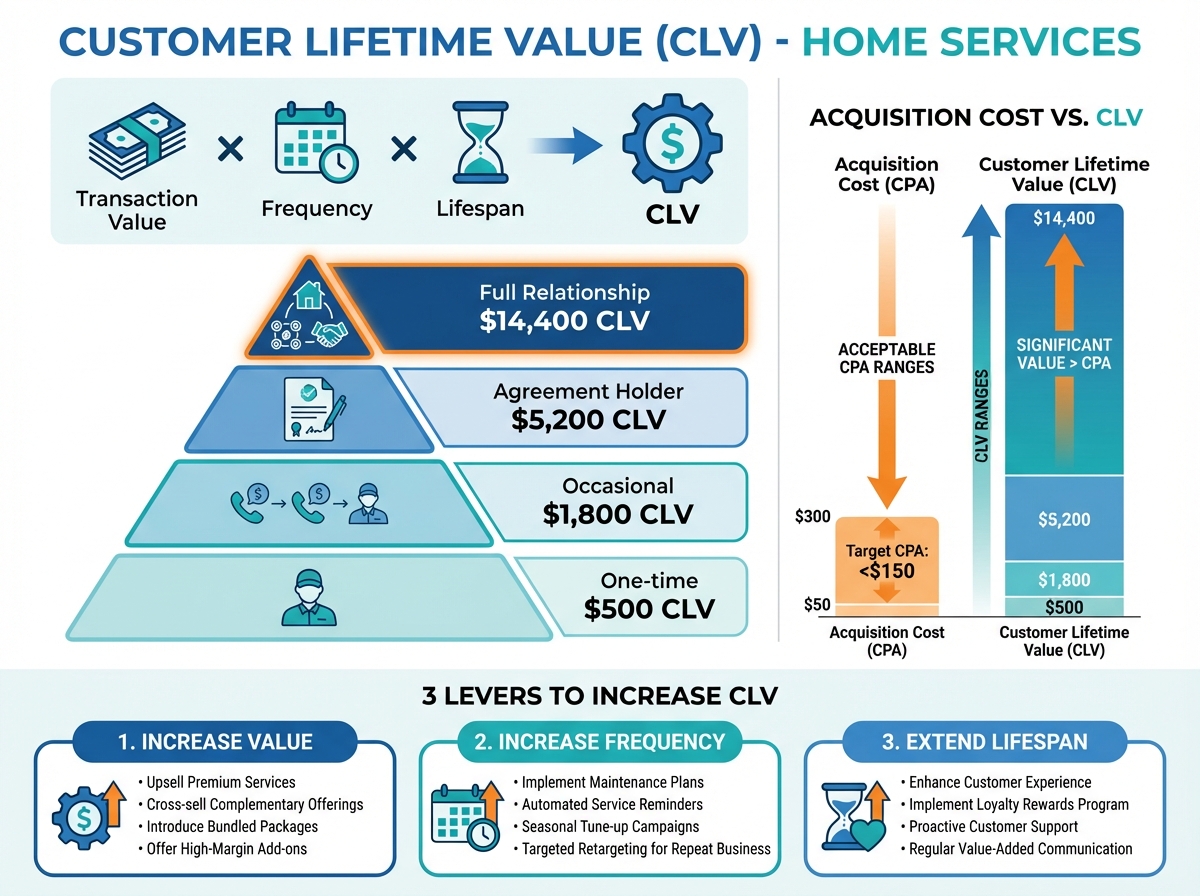
CLV = Average Transaction Value × Purchase Frequency × Customer Lifespan
Example:
- Average transaction: $450
- Purchases per year: 1.5
- Customer lifespan: 8 years
- CLV = $450 × 1.5 × 8 = $5,400
Why CLV Matters for Contractors
Without CLV thinking:
- Every job is a one-time transaction
- Marketing budget based on immediate ROI
- Service calls seen as low-value
- Retention is an afterthought
With CLV thinking:
- Every customer is a long-term asset
- Marketing justified by lifetime returns
- Service calls are relationship builders
- Retention becomes a growth strategy
The math that changes everything:
| Perspective | Acquisition Cost Limit | Marketing Strategy |
|---|---|---|
| Per-job value ($500) | $50-75 max CPA | Cheap leads only |
| Lifetime value ($5,400) | $400-800 CPA | Invest in quality leads |
Knowing CLV lets you outspend competitors on customer acquisition while remaining profitable.
Calculating CLV for Home Service Businesses
Home services have unique CLV dynamics. Here's how to calculate yours.
Data You Need
From your CRM or records:
- Customer purchase history (transactions and amounts)
- Customer tenure (how long customers stay active)
- Service types purchased
- Referral tracking (if available)
Time period: Use 3-5 years of data for accurate calculations.
Method 1: Simple Average CLV
Good for quick estimates.
Step 1: Total revenue from all customers over 3 years
Step 2: Divide by number of unique customers
Step 3: Annualize by dividing by 3
Step 4: Multiply by average customer lifespan
Example:
- 3-year revenue from customers: $2,400,000
- Unique customers: 1,200
- Revenue per customer (3 years): $2,000
- Annual value: $667
- Average lifespan: 7 years
- CLV = $667 × 7 = $4,669
Method 2: Segment-Based CLV
More accurate—different customer types have different values.
| Customer Segment | Annual Value | Lifespan | CLV |
|---|---|---|---|
| One-time service | $350 | 1 year | $350 |
| Occasional (no agreement) | $450 | 4 years | $1,800 |
| Maintenance agreement | $650 | 8 years | $5,200 |
| Full-relationship | $1,200 | 12 years | $14,400 |
Weighted average CLV:
- 40% one-time: $350 × 0.40 = $140
- 30% occasional: $1,800 × 0.30 = $540
- 20% agreement: $5,200 × 0.20 = $1,040
- 10% full-relationship: $14,400 × 0.10 = $1,440
- Weighted CLV = $3,160
Method 3: Cohort-Based CLV
Most accurate—tracks actual customer behavior over time.
Track a cohort (customers acquired in same period):
| Year | Active Customers | Revenue | Cumulative CLV |
|---|---|---|---|
| Year 1 | 100 | $45,000 | $450 |
| Year 2 | 72 | $38,500 | $835 |
| Year 3 | 58 | $35,200 | $1,187 |
| Year 4 | 49 | $31,800 | $1,505 |
| Year 5 | 42 | $29,400 | $1,799 |
Project forward based on retention rate to estimate full CLV.
Factoring in Referrals
CLV should include referral value:
Full CLV = Direct CLV + (Referral Rate × Referral CLV)
Example:
- Direct CLV: $4,500
- Referral rate: 15% of customers refer
- Referral CLV: $4,000
- Full CLV = $4,500 + (0.15 × $4,000) = $5,100
Some businesses find referral value adds 20-40% to CLV.
CLV Benchmarks by Trade
What's normal for your industry?
HVAC CLV Benchmarks
| Customer Type | Typical CLV | Range |
|---|---|---|
| Service-only | $800-1,500 | Low retention |
| Maintenance agreement | $4,000-8,000 | High retention |
| Full relationship | $10,000-20,000 | Replacement + service |
HVAC advantage: Equipment replacement cycles create high-value events.
Plumbing CLV Benchmarks
| Customer Type | Typical CLV | Range |
|---|---|---|
| Emergency-only | $400-800 | Very low retention |
| Regular service | $1,500-3,500 | Moderate retention |
| Whole-home customer | $5,000-12,000 | Repiping, water heaters, fixtures |
Plumbing challenge: More transactional, requires active retention.
Electrical CLV Benchmarks
| Customer Type | Typical CLV | Range |
|---|---|---|
| One-time repair | $300-600 | Low |
| Home improvement customer | $2,000-5,000 | Project-based |
| Full electrical relationship | $6,000-15,000 | Panel upgrades, whole-home |
Electrical opportunity: Bundling with smart home, EV charging, solar.
Roofing CLV Benchmarks
| Customer Type | Typical CLV | Range |
|---|---|---|
| Repair-only | $500-1,200 | Single event |
| Replacement customer | $8,000-15,000 | 20+ year cycle |
| Multi-property/referrer | $20,000-50,000 | Multiple roofs, referrals |
Roofing reality: Lower frequency, higher transaction values.
Using CLV to Make Better Decisions
CLV changes how you allocate resources.
Marketing Budget Decisions
Rule of thumb: Spend up to 20-30% of CLV on acquisition.
| CLV | Max CPA (20%) | Max CPA (30%) |
|---|---|---|
| $2,000 | $400 | $600 |
| $5,000 | $1,000 | $1,500 |
| $10,000 | $2,000 | $3,000 |
Application:
- If CLV = $5,000, you can spend $1,000 to acquire a customer
- Competitors thinking per-job might only spend $100
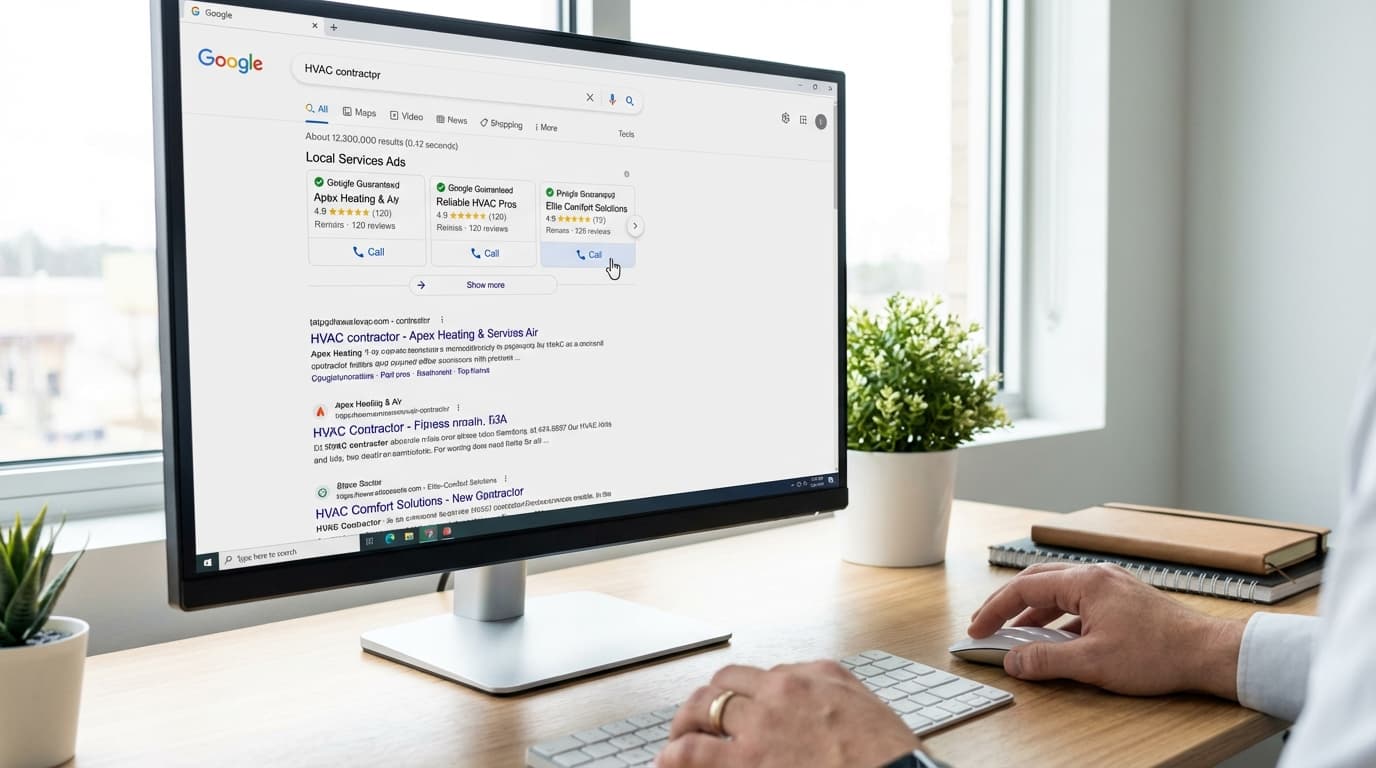
- You can outbid them on Google Ads, pay more for quality leads, invest in better marketing
Customer Service Investment
High-CLV customers deserve premium treatment:
| Customer Segment | CLV | Service Level |
|---|---|---|
| One-time, low value | $500 | Standard |
| Agreement holder | $5,000 | Priority scheduling |
| Full relationship | $12,000 | White-glove service |
What premium treatment looks like:
- Priority scheduling (same-day for high-CLV)
- Senior technician assignment
- Owner/manager follow-up calls
- Proactive outreach and check-ins
- Forgiveness on minor disputes
Pricing Decisions
CLV justifies strategic discounts:
| Scenario | Traditional View | CLV View |
|---|---|---|
| Service call for agreement customer | Full price ($150) | Discounted ($99)—retention matters |
| First-time customer | Discount to win ($79) | Near full price ($129)—unknown CLV |
| Repeat customer, no agreement | Full price | Offer agreement discount—convert to high CLV |
Employee Compensation
Tie compensation to CLV-building behaviors:
| Behavior | CLV Impact | Compensation Structure |
|---|---|---|
| Maintenance agreement sales | High | Commission or bonus |
| Customer satisfaction scores | High | Bonus modifier |
| Callbacks/complaints | Negative | Penalty/coaching |
| Referral generation | High | Bonus per referral |
Strategies to Increase CLV
Three levers: increase transaction value, increase frequency, extend lifespan.
Increasing Average Transaction Value
Tactic: Good-Better-Best options
- Always present three options
- Middle option at target margin
- Premium option for those who want best
Tactic: Bundling and packages
- Maintenance + repair bundle
- Whole-home service packages
- Multi-system discounts
Tactic: Financing
- Remove price barrier to better options
- Increases average ticket 20-40%
- Customer pays more over time
Increasing Purchase Frequency
Tactic: Maintenance agreements
- Create recurring touchpoints
- 1-2 visits per year minimum
- Each visit is upsell opportunity
Tactic: Seasonal outreach
- Spring/fall tune-up reminders
- Holiday safety checks
- Anniversary of installation
Tactic: Problem prevention communication
- Educational emails about maintenance
- Alerts about common issues
- Positioned as helpful, not salesy
Extending Customer Lifespan
Tactic: Excellence in service
- First-call resolution
- On-time arrival
- Clean, professional technicians
- Clear communication
Tactic: Relationship building
- Post-service follow-up
- Birthday/holiday cards (genuine, not cheesy)
- Community involvement
- Personalized communication
Tactic: Lock-in mechanisms
- Multi-year agreement discounts
- Loyalty program benefits
- Priority scheduling perks
Retention Economics
Retention is often more profitable than acquisition.
The Cost of Churn
If you lose 20% of customers annually:
| Year | Starting Customers | Lost | Remaining | Lost CLV |
|---|---|---|---|---|
| 1 | 1,000 | 200 | 800 | $1,000,000 |
| 2 | 800 | 160 | 640 | $800,000 |
| 3 | 640 | 128 | 512 | $640,000 |
Assuming $5,000 CLV
To maintain 1,000 customers with 20% churn: You need 200 new customers per year just to stay even.
Retention vs. Acquisition ROI
| Investment | Cost | Result | ROI |
|---|---|---|---|
| Acquire 100 new customers | $50,000 | $500,000 CLV | 10:1 |
| Retain 100 at-risk customers | $10,000 | $500,000 CLV | 50:1 |
Retention is almost always higher ROI than acquisition.
Reducing Churn
Identify at-risk customers:
- No contact in 18+ months
- Declined recent recommendation
- Complaint or negative feedback
- Competitor interaction (if known)
Win-back campaigns:
| Touchpoint | Timing | Offer |
|---|---|---|
| 12 months inactive | "We miss you" + discount | |
| Direct mail | 15 months inactive | Personal letter from owner |
| Phone call | 18 months inactive | Check-in, special offer |
| Final attempt | 24 months inactive | "Last chance" significant offer |
Tracking CLV in Your Business
Make CLV a management metric.
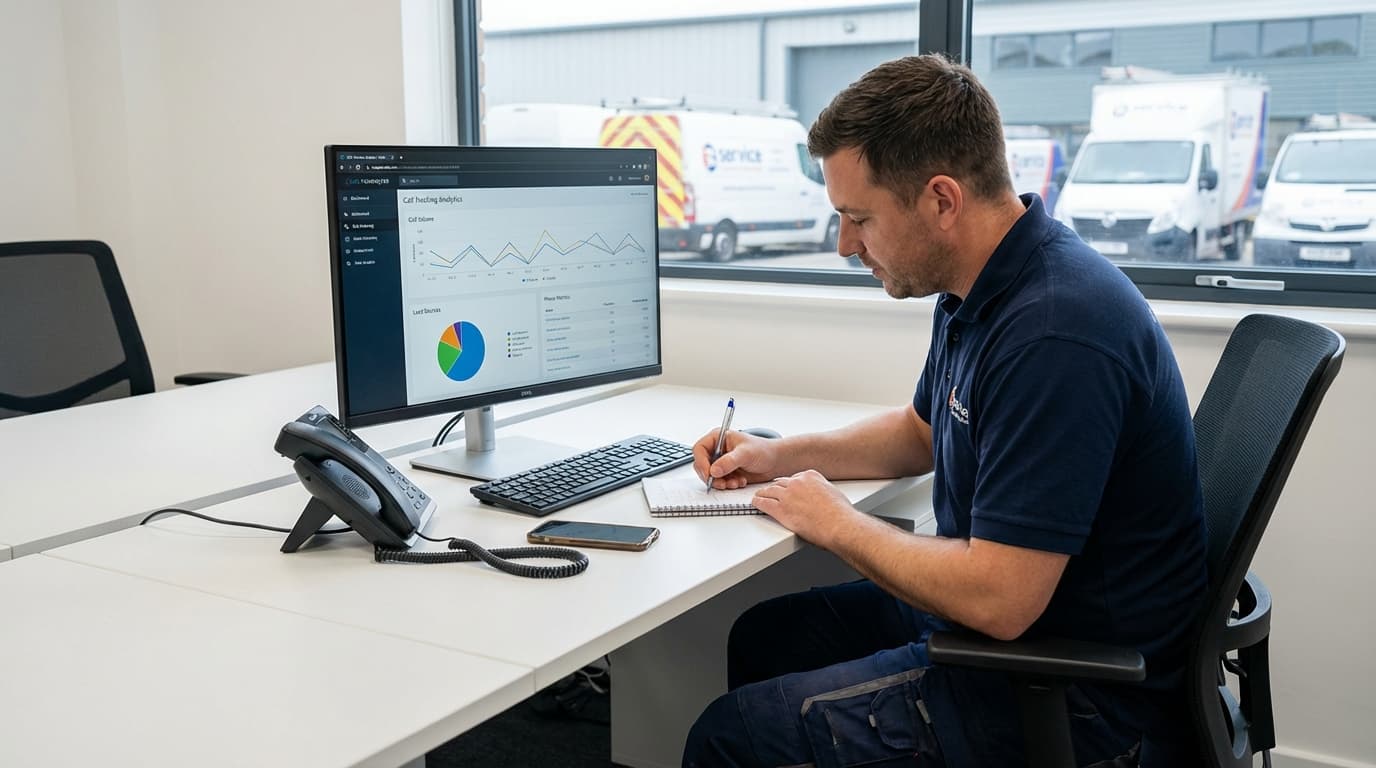
CLV Dashboard Metrics
Track monthly:
| Metric | Calculation | Target |
|---|---|---|
| Average CLV | Total CLV ÷ Customers | Track trend |
| New customer CLV | CLV of recent acquisitions | Compare to historical |
| CLV by segment | CLV per customer type | Grow high-value segments |
| CLV by acquisition source | CLV per marketing channel | Invest in high-CLV sources |
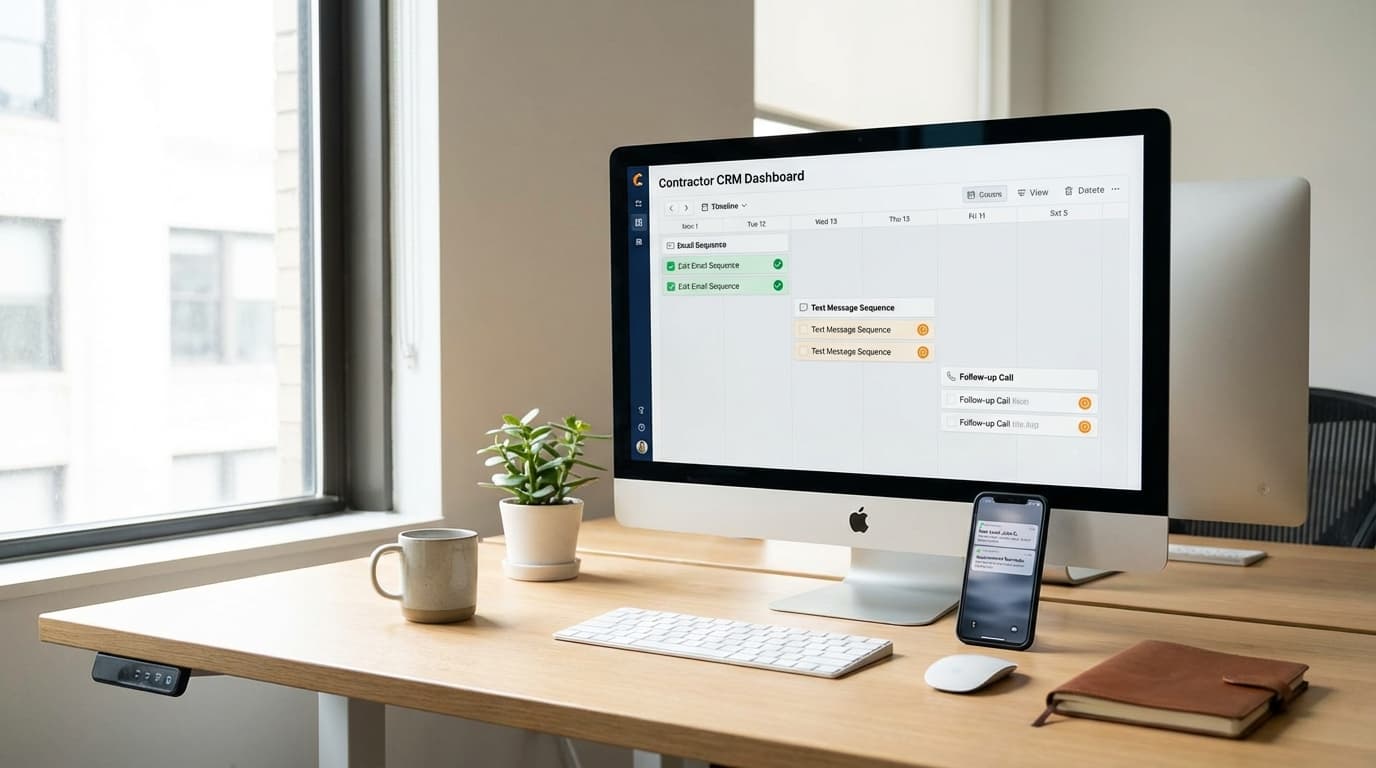
CRM Requirements
Your CRM should track:
- Complete customer transaction history
- Customer segment classification
- Acquisition source
- Agreement status
- Referral relationships
- Satisfaction scores
CLV by Marketing Channel
Not all leads are equal:
| Channel | Cost Per Acquisition | Average CLV | Lifetime ROI |
|---|---|---|---|
| Google Ads | $200 | $4,500 | 22.5:1 |
| Facebook Ads | $150 | $3,200 | 21.3:1 |
| Referrals | $50 | $6,200 | 124:1 |
| Home Advisor | $300 | $2,800 | 9.3:1 |
Insight: Referrals have highest CLV—invest in referral programs even if volume is lower.
Common CLV Mistakes
Avoid these errors in CLV strategy.
Mistake 1: Ignoring CLV Entirely
Problem: Treating every customer as a one-time transaction.
Impact: Underinvest in retention, overspend on low-quality acquisition.
Solution: Calculate CLV and use it in all marketing decisions.
Mistake 2: Using Average CLV for All Decisions
Problem: Treating all customers as equally valuable.
Impact: Premium treatment for low-value customers, neglect of high-value ones.
Solution: Segment customers by CLV and differentiate treatment.
Mistake 3: Overcomplicating the Calculation
Problem: Analysis paralysis trying to get perfect CLV numbers.
Impact: Never actually using CLV because it's "not ready."
Solution: Start with simple average CLV. Refine over time.
Mistake 4: Not Factoring in Margin
Problem: Using revenue-based CLV without considering costs.
Impact: Overspending on acquisition for low-margin customers.
Solution: Calculate CLV based on gross profit, not revenue.
Mistake 5: Assuming CLV is Fixed
Problem: Treating CLV as unchangeable characteristic.
Impact: Missing opportunities to increase customer value.
Solution: Actively work to increase CLV through retention and upselling.
Frequently Asked Questions
How do I calculate CLV if I don't have good historical data?
Start with industry benchmarks and adjust based on your business model. Track new customers carefully going forward. Even rough CLV estimates are better than none. Survey long-term customers about their history if records are incomplete. Within 12-18 months of tracking, you'll have enough data for accurate calculations.
Should I focus on acquiring high-CLV customers or converting low-CLV to high?
Both, but conversion is usually cheaper. It costs less to sell a maintenance agreement to an existing service customer than to acquire a new agreement customer. Focus acquisition efforts on segments with highest CLV potential, then invest in converting existing customers up the value ladder.
How often should I recalculate CLV?
Quarterly for segment-level CLV, annually for cohort-based calculations. Market conditions, service offerings, and retention programs change CLV over time. Major business changes (new services, new markets) warrant immediate recalculation.
Build Your CLV-Driven Business
Customer lifetime value transforms how you think about growth. Instead of chasing endless new leads, you focus on building lasting relationships that compound over time. Instead of competing on the lowest customer acquisition cost, you compete on who can afford to invest most in each customer relationship.
Key takeaways:
- CLV for home services typically ranges $2,000-$15,000
- Knowing CLV justifies higher acquisition spending
- Retention is almost always better ROI than acquisition
- Segment customers by CLV and treat accordingly
- Track CLV by acquisition source to invest wisely
The contractors who understand CLV outcompete those who don't—they can afford better marketing, better service, and better employees because they know the true value of every customer relationship.
Ready to track customer lifetime value? Start your free trial with TruLine and see your complete customer revenue history in one dashboard.